Introduction: Navigating the Legal Landscape of Hemp-Derived Delta 9 THC
This comprehensive guide delves into the legal status of hemp-derived Delta 9 THC across the United States, shedding light on its legality, federal and state perspectives, and the factors influencing its status.
As interest in hemp products continues to grow, many consumers are searching for clear answers about whether hemp-derived Delta 9 THC is legal in their state and how federal regulations affect its availability. Understanding these laws is essential for both consumers and retailers navigating the evolving hemp industry.
The legality of Delta 9 products derived from hemp often causes confusion because Delta 9 THC is also the primary psychoactive compound in marijuana. However, the source of the compound and the concentration limits set by federal law play a major role in determining legality.
Understanding Hemp-Derived Delta 9 THC: A Brief Overview
Delta 9 is derived from the hemp plant and shares structural similarities with Delta 9 THC derived from marijuana. However, hemp-derived Delta 9 contains less than 0.3% THC by dry weight, in compliance with federal regulations. It is essential to start small with your dosage, as there is potential to experience psychoactive effects. Aside from possibly giving that “high” feeling, there are potential beneficial effects, including pain relief, stress reduction, and helping with sleep.
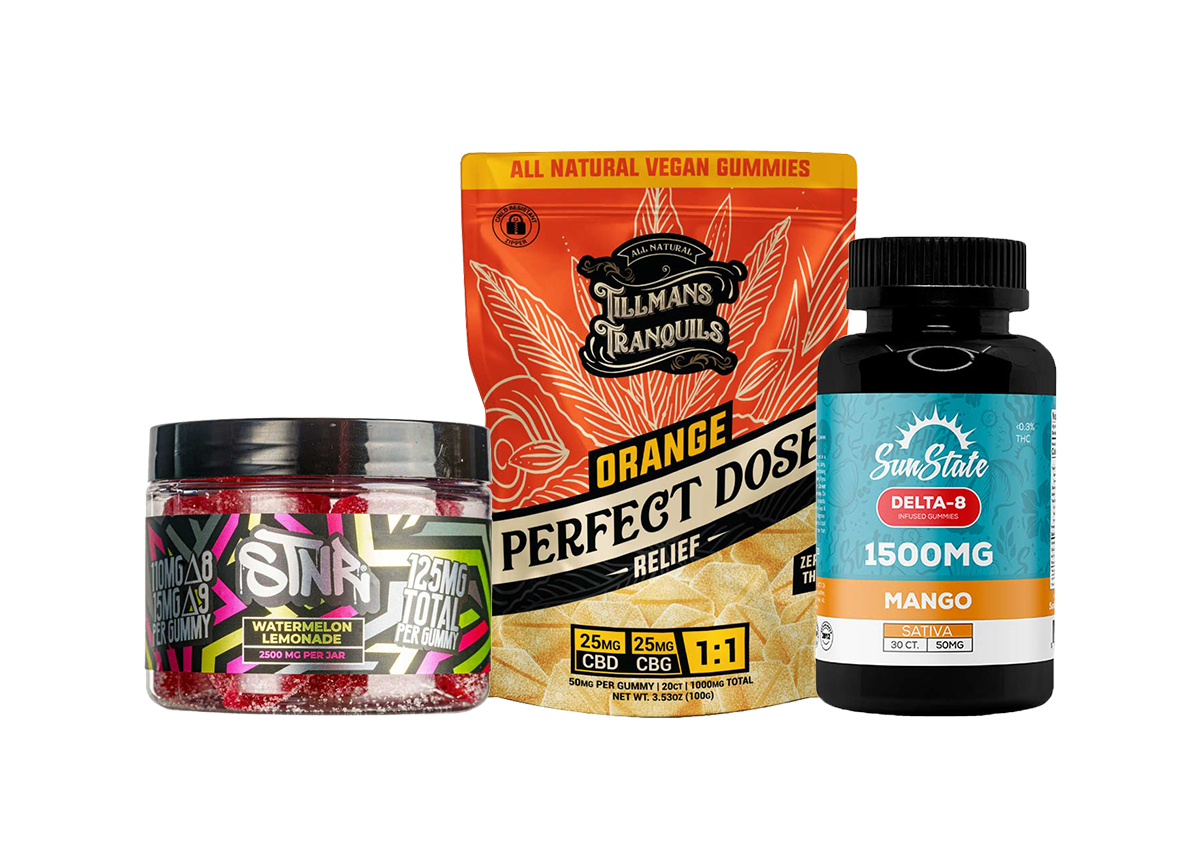
Hemp-derived Delta 9 THC products are often formulated into gummies, tinctures, beverages, and other edibles that comply with the federal THC threshold. These products allow consumers to experience the effects of Delta 9 THC while remaining within the legal limits established for hemp-derived compounds.
Because hemp products must meet strict THC limits by dry weight, manufacturers often carefully formulate edibles so the total Delta 9 THC per serving stays compliant with federal regulations. This formulation method has helped expand the market for hemp-derived Delta 9 THC products across the United States.
Is Hemp-Derived Delta 9 THC Federally Legal?
As of the latest update, hemp-derived Delta 9 THC meets the Farm Bill Act of 2018 criteria and is federally legal. This bill legalized hemp cultivation and its derivatives, provided they contain less than 0.3% THC.
The Farm Bill played a pivotal role in shaping the legal landscape of cannabinoids, including hemp-derived Delta 9 THC. By distinguishing hemp from marijuana based on its THC content, the bill opened the door for the legal production and sale of hemp-derived products, including CBD and Delta 9.
Under federal law, hemp is defined as cannabis containing no more than 0.3% Delta 9 THC on a dry-weight basis. Any cannabis plant or product that exceeds this limit is classified as marijuana and remains federally illegal.
This distinction allows certain hemp-derived Delta 9 products to exist legally in interstate commerce, though the interpretation and enforcement of these rules may vary depending on regulatory agencies and state authorities.
Hemp-Derived Delta 9 THC on the State Level:
While hemp-derived Delta 9 THC is federally legal, states have varying regulations and perspectives. Some states have embraced hemp-derived cannabinoids, while others may have additional restrictions or requirements for production and sale.
State-level regulations may affect how hemp-derived Delta 9 THC products are manufactured, distributed, and sold within a particular jurisdiction. Some states require additional licensing, labeling standards, or testing procedures before products can legally reach consumers.Consumers should always check their local and state laws before purchasing hemp-derived Delta 9 THC products, as rules surrounding cannabinoids can change frequently as legislators respond to the rapidly evolving hemp market.
Hemp-Derived Delta 9 THC vs. CBD:
It's crucial to differentiate between hemp-derived Delta 9 THC and CBD derived from the same plant. Non-psychoactive CBD gained widespread legal acceptance after the Farm Bill. However, though legal federally, hemp-derived Delta 9 THC is psychoactive and will appear on a drug test. Products with more CBD and less TCH allows for potential medical benefit without the psychoactive adverse effects.
CBD and Delta 9 THC interact with the body’s endocannabinoid system in different ways. While CBD is generally associated with relaxation and wellness support without intoxication, Delta 9 THC can produce noticeable psychoactive effects depending on dosage.
Many hemp products combine CBD and Delta 9 THC to create a balanced formulation that may enhance potential therapeutic benefits while moderating the intensity of psychoactive effects.
Delta 9 Third-Party Testing:
Third-party testing involves an independent laboratory verifying the safety, purity, and potency of your Delta 9 THC product. This testing helps ensure that the product is free from contaminants and accurately labeled, providing consumers with precise information about the product’s contents.
Independent laboratory testing is considered one of the most important quality indicators for hemp-derived Delta 9 THC products. Reputable brands provide certificates of analysis (COAs) that confirm cannabinoid levels and screen for heavy metals, pesticides, and residual solvents.
Transparent testing practices help consumers verify that a product meets federal hemp regulations while also ensuring consistent potency and product safety.
It’s essential only to purchase products with third-party testing. You can verify a product has been tested by scanning the QR code on the packaging. If this QR code is missing, that is your first sign that the product has most likely not been tested and is unsafe for consumption.
Accurate Labeling:
Delta 9 labeling should clearly state the amount of Delta 9 THC per serving. It is essential to understand the contents of Delta 9 THC products. It is also important to know if the stated amount is the total THC in the package or per gummy so you can safely dose it. Also, take note of what constitutes one serving.
Clear labeling helps consumers make informed decisions and ensures compliance with hemp regulations that require transparency in cannabinoid content. Accurate serving information is particularly important for edibles such as Delta 9 gummies, where potency can vary between brands.
Consumers should also review ingredient lists, cannabinoid profiles, and dosage instructions to better understand how a hemp-derived Delta 9 THC product may affect them.
Conclusion: Navigating the Legal Status of Hemp-Derived Delta 9 THC
Federal and state regulations influence the legal status of hemp-derived Delta 9 THC. As laws evolve and perspectives shift, staying informed about your jurisdiction's legality is crucial. Understanding the legal framework ensures compliance and responsible consumption, whether for medical or recreational purposes. To be on the safe side, I suggest you retain the original packaging as well as proof of purchase in the event questions arise as to where the product came from.
Because cannabis laws continue to evolve, staying updated on new regulations and legislative changes is important for anyone interested in hemp-derived Delta 9 THC products. Regulations may change as policymakers refine how cannabinoids are categorized and controlled.
Consumers who purchase hemp-derived cannabinoids should prioritize reputable brands that provide transparent sourcing, laboratory testing, and clearly labeled products that comply with federal and state requirements.
At My Pain Center, we're dedicated to providing accurate information about cannabinoids and offering high-quality, hemp-derived Delta 9 THC products that adhere to legal standards. If you have questions about the legal status of hemp-derived Delta 9 THC in your area, please contact our knowledgeable team.
Frequently Asked Questions:
Is hemp-derived Delta 9 THC legal in all 50 states?
Hemp-derived Delta 9 THC is federally legal under the 2018 Farm Bill if the product contains no more than 0.3% Delta 9 THC by dry weight. However, some states have enacted their own laws that may restrict or regulate hemp-derived cannabinoids differently.
Will hemp-derived Delta 9 THC show up on a drug test?
Yes. Standard drug tests typically detect THC metabolites and do not distinguish between marijuana-derived THC and hemp-derived Delta 9 THC. Consuming these products could result in a positive drug test.
What types of products contain hemp-derived Delta 9 THC?
Hemp-derived Delta 9 THC is commonly found in gummies, edibles, tinctures, beverages, and capsules designed to meet federal THC limits.
How can I tell if a Delta 9 product is legal hemp?
Legal hemp-derived Delta 9 THC products should contain less than 0.3% Delta 9 THC by dry weight and should provide third-party laboratory testing results verifying their cannabinoid content.
Why are hemp-derived Delta 9 gummies legal while marijuana edibles are not federally legal?
The difference lies in the source and THC concentration. Hemp-derived products that meet the federal THC limit are classified as hemp, while marijuana products exceed that threshold and remain federally illegal.