Key Takeaways
-
THCP is one of the strongest naturally occurring cannabinoids and binds very tightly to brain receptors.
-
THCA is the raw, non-intoxicating form of THC and only becomes psychoactive when heated.
-
THCP tends to feel stronger, longer-lasting, and more intense than traditional THC.
-
THCA offers greater control and flexibility, especially for those seeking gentler effects.
-
The right choice depends on your tolerance, goals, and how you use the product.
If you have been researching cannabinoids, you have probably seen THCP and THCA mentioned together. While both come from hemp, they behave very differently in the body, feel different when used, and serve different purposes depending on what you are trying to achieve.
This guide explains the difference between THCP and THCA in clear, simple language. It covers strength, effects, safety, legality, and how to decide which option makes sense for pain, relaxation, sleep, or general wellness.

What Is THCP and Why Is It So Strong?
THCP stands for tetrahydrocannabiphorol. Researchers identified it as a naturally occurring cannabinoid in 2019. While it exists in very small amounts in the hemp plant, its effects can be significant.
What makes THCP stand out is how it interacts with the endocannabinoid system. The body has cannabinoid receptors, primarily CB1 and CB2. CB1 receptors are concentrated in the brain and central nervous system and play a large role in mood, pain perception, appetite, and sleep.
THCP has a longer alkyl side chain than Delta-9 THC. This structural difference allows it to bind more tightly to CB1 receptors. When a cannabinoid binds more efficiently, it can produce stronger effects at lower doses.
This is why many people describe THCP as feeling much stronger than traditional THC, even when the amount used is small.

What Is THCA and How Does It Work?
Many people searching for THCA vs THC which is stronger are actually trying to understand how THCA compares with the THC it becomes after heating. In its raw state, THCA is not stronger than THC because it does not produce intoxicating effects. Once heated through smoking, vaping, or baking, THCA converts into Delta-9 THC, allowing it to interact with CB1 receptors and produce the familiar psychoactive experience associated with cannabis.
This distinction matters because the answer depends on the cannabinoid's form. Raw THCA and activated THC behave differently, even though they are closely related. Understanding this process helps consumers choose products that match their desired experience.
THCA stands for tetrahydrocannabinolic acid. It is the natural, raw form of THC found in freshly harvested hemp flower. In this form, THCA does not cause intoxication.
THCA does not produce a high because it does not bind to CB1 receptors. Its molecular structure prevents it from fitting into the receptor in a way that triggers psychoactive effects.
THCA only becomes psychoactive after it is heated. This process is called decarboxylation. When heat is applied through smoking, vaping, or cooking, THCA converts into Delta-9 THC.
Because of this, people who want more control often use THCA. In its raw state, it may support general wellness. When heated, it delivers familiar THC effects.
How Are THCP and THCA Different at a Basic Level?
THCP and THCA differ in several ways, including their activation profiles, potencies, and predictability.
THCP is active as soon as you consume it. It does not require heat to produce effects. Once it enters the body, it binds directly to cannabinoid receptors and begins working.
THCA is inactive until heated. Without heating, THCA does not produce intoxicating effects. This makes THCA more flexible for people who want to decide when and how effects occur.
Potency is another major difference. THCP is considered significantly stronger than Delta-9 THC. THCA, once converted into THC, behaves like traditional THC, not like THCP.
If you want to experience both cannabinoids without choosing between them, the Pixie Pod Black Diamond 4G Disposable combines THCA and THCP in a single vape, giving you THCA's flexibility alongside THCP's added potency in one device.

Is THCP Stronger Than THCA?
Yes. THCP is considered stronger than THCA when it comes to psychoactive potential.
When comparing THCA vs THC, which is stronger, the answer is straightforward. Delta-9 THC is stronger than raw THCA because THCA has not yet undergone decarboxylation. However, once THCA is heated and converted into THC, its psychoactive strength becomes similar to standard Delta-9 THC rather than THCP. This is one reason consumers should pay close attention to product labels and intended methods of use.
In its raw form, THCA does not produce a high. Once heated, THCA converts into Delta-9 THC, which has moderate psychoactive strength. THCP, on the other hand, binds more strongly to CB1 receptors than Delta-9 THC.
This means that THCP can feel more intense, longer-lasting, and heavier than THCA even after THCA has been activated.
For people with low tolerance, THCP may feel overwhelming. For experienced users, it may provide deeper relief and longer effects.
What Do THCP Effects Feel Like?
People who use THCP often report a strong and noticeable experience, even at low doses. Effects can include deep body relaxation, a heavy or floaty sensation, mental calm, and strong sedation at higher amounts.
THCP may also amplify pain relief and muscle relaxation. Because it is potent, it is usually recommended for nighttime use or for people who already have experience with THC.
THCP effects may last longer than traditional THC, which is something to consider if you are sensitive to lingering effects the next day.

What Do THCA Effects Feel Like?
THCA effects depend entirely on how you use it.
When THCA is consumed in raw form, many people report little to no psychoactive effect. Some users describe subtle wellness support or a sense of balance without impairment.
When THCA is heated and converted into THC, the effects are similar to traditional Delta-9 THC. These effects may include relaxation, mood elevation, pain relief, and sleep support, depending on dose and timing.
Because THCA offers this flexibility, many people find it easier to manage and dose.
Which Is Better for Pain Relief?
Both THCP and THCA can support pain relief, but they suit different needs.
Current cannabinoid research suggests that cannabinoids may influence pain perception through the body's endocannabinoid system, although individual responses vary and additional human studies are still needed. Some users prefer stronger cannabinoids such as THCP for severe discomfort, while others choose activated THCA or traditional THC because they offer a more familiar and predictable experience.
People managing chronic pain should consider factors beyond potency, including dosage, tolerance, duration of effects, and potential side effects. A stronger cannabinoid is not always the better choice if it produces unwanted intoxication or excessive sedation.
THCP may be helpful for people with severe or chronic pain who have already built tolerance to THC. Its strong receptor binding can provide deeper and longer-lasting relief, especially for nighttime discomfort.
THCA, when heated, offers traditional THC pain relief. When used raw, some people explore THCA for daytime wellness without intoxication.
If pain relief is your primary goal, you may also find it helpful to read our in-depth guide on pain-focused gummies.
Best Gummies for Pain Relief: THC, CBD, and CBN Explained

Which Is Better for Anxiety?
For individuals who are new to cannabinoids, starting with lower-potency products is generally recommended. Highly potent cannabinoids may increase the likelihood of unwanted effects in sensitive users. Beginning with a low dose and waiting to assess the effects before taking more can help reduce the risk of an uncomfortable experience.
Anxiety response varies greatly from person to person. Because THCP is very strong, it may not be ideal for anxiety-prone users, especially at higher doses. Strong psychoactive effects can sometimes increase anxious thoughts or racing feelings.
THCA-based products, particularly when paired with CBD or used at low doses after activation, may feel gentler and more manageable.
People who are sensitive to THC often prefer products that allow a slower onset and easier control.

Which Is Better for Sleep?
For sleep, both cannabinoids can help, depending on the situation.
THCP may be useful for people who struggle with severe nighttime pain or restlessness. Its longer duration may help people stay asleep longer.
THCA-based products that convert gradually may support relaxation and sleep onset without feeling overwhelming.
If sleep is your main concern, pairing THC with calming cannabinoids like CBN can also be helpful.

Is THCP or THCA Legal?
Federal legality does not always mean a cannabinoid is legal in every state. Regulations surrounding hemp-derived cannabinoids continue to evolve, and some states have introduced restrictions on products containing THCP, THCA, Delta-8 THC, or other hemp-derived compounds. Always check your local laws before purchasing or traveling with cannabinoid products.
Under the 2018 Farm Bill, hemp-derived cannabinoids are federally legal as long as Delta-9 THC content remains below 0.3 percent by dry weight.
Many THCP and THCA products come from hemp and are formulated to comply with this rule. However, state laws vary widely. Some states restrict certain cannabinoids regardless of hemp origin.
How Do THCP and THCA Show Up in Gummies and Edibles?
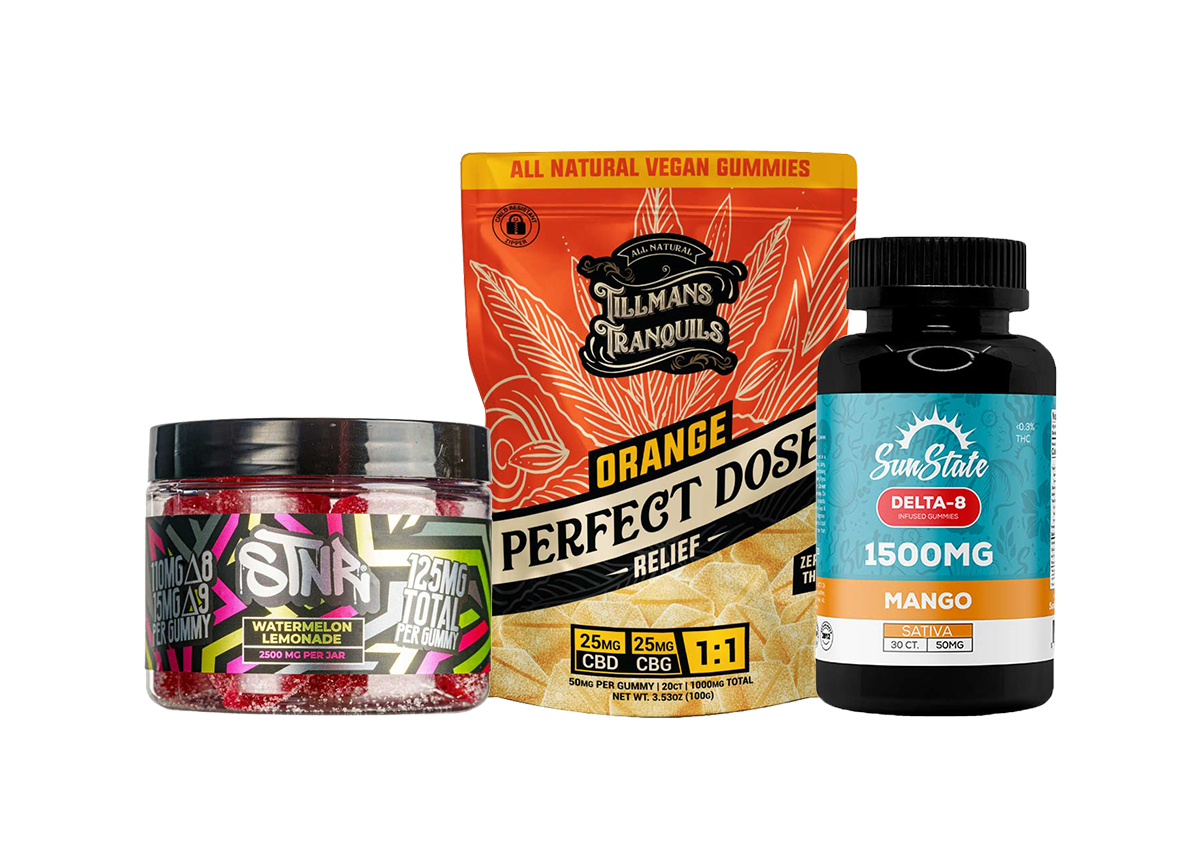
THCP is often used in very small amounts in gummies due to its strength. Fast Feels Knockout Gummies are a good example, pairing Delta-8 and Delta-9 with a small dose of THCP for a stronger, longer-lasting effect. Even low-dose THCP gummies can feel powerful.

THCA gummies may remain non-intoxicating unless heated. Because gummies are not heated during digestion, many edible products focus on activated THC instead of raw THCA.
For dosing help across different edible types, this guide can help.
How Much THC Should You Take? A Beginner-Friendly Guide
Are There Side Effects to Know About?
THCP side effects may include drowsiness, dry mouth, dizziness, and strong psychoactive effects at higher doses.
THCA side effects are minimal in raw form but become similar to THC once activated.
Starting with a low dose and increasing slowly is the safest approach for both.
Frequently Asked Questions
Is THCP stronger than Delta-9 THC?
Yes. THCP binds more tightly to CB1 receptors than Delta-9 THC, which makes it feel stronger for many users.
Does THCA get you high?
Not unless it is heated. Raw THCA does not produce intoxicating effects.
Is THCP good for beginners?
THCP is usually not recommended for beginners due to its potency.
Can THCA help with pain?
Yes. When activated, THCA converts to THC and supports pain relief.
Can THCP and THCA be used together?
Some products combine cannabinoids, but combine strong compounds carefully and in low doses.
Is THCA stronger than THC?
No. Raw THCA is not stronger than THC because it does not produce intoxicating effects. After heating, THCA converts into Delta-9 THC, giving it similar psychoactive properties.
Why does THCP feel stronger than THC?
THCP has a longer alkyl side chain, allowing it to bind more effectively to CB1 receptors. This stronger receptor interaction is believed to contribute to its increased potency compared with traditional THC.
Can THCA become THC naturally?
Yes. THCA slowly converts into THC when exposed to heat, light, or prolonged storage. However, intentional heating through smoking, vaping, or cooking is the most efficient way to trigger decarboxylation.
Should beginners choose THCP or THCA?
Most beginners are better suited to THCA or traditional THC products because they offer more predictable effects. THCP's high potency may be overwhelming for people with little or no cannabinoid experience.
What is the difference between THCA vs THC, and which is stronger?
THC is stronger than raw THCA because THC is already psychoactive. THCA must first be heated and converted into THC before it can produce intoxicating effects. Once activated, THCA behaves much like Delta-9 THC rather than THCP.
Final Thoughts: Which One Should You Choose?
THCP and THCA are not interchangeable. THCP is powerful, long-lasting, and best suited for experienced users. THCA offers flexibility, control, and a gentler experience depending on how it is used.
Understanding these differences helps you choose products intentionally rather than relying on hype or confusing labels.
For more cannabinoid education written in plain language, explore the My Pain Center blog and continue learning at your own pace.
References:
-
National Institutes of Health (NIH) resources covering the endocannabinoid system.
-
U.S. Food and Drug Administration (FDA) consumer guidance on cannabis and cannabis-derived products.