Key Takeaways
- THCA is non-psychoactive and ideal for people who want wellness support without feeling high.
- THC provides stronger effects, including pain relief and sleep support, but may cause a high.
- The right choice depends on your lifestyle, needs, and how your body responds.
- Always check your state laws and start with a small dose to see how you feel.
Understanding the difference between THCA and THC is essential for anyone exploring modern cannabis products, especially as new cannabinoids continue to emerge in the market. Whether you're searching for non-psychoactive cannabis options or stronger therapeutic effects, knowing how these compounds work can help you make a more informed decision.
If you're exploring cannabis products for wellness or relief, you've probably come across two terms: THCA and THC. While they look almost identical, they function very differently inside your body. In this guide, we’ll break down the science, effects, and legal status of THCA and THC so you can confidently decide which one might be right for your needs.
What Is the Difference Between THCA and THC?
THCA stands for tetrahydrocannabinolic acid. It’s the raw, non-psychoactive form of THC found in fresh cannabis plants. On its own, THCA won’t make you feel high. THC, on the other hand, is short for delta-9-tetrahydrocannabinol and is the well-known psychoactive compound that produces the "high" most people associate with cannabis.
When THCA is exposed to heat through smoking, vaping, or baking, it transforms into THC through a process called decarboxylation.
This chemical conversion is one of the most important concepts in cannabis science, as it explains why raw cannabis behaves differently from heated or processed products. Without decarboxylation, THCA lacks psychoactive effects.
In simple terms, THCA is the “before” version, while THC is the “after” version once heat is applied. This distinction plays a major role in how different cannabis products are formulated and consumed.

How Does THCA Feel Compared to THC?
People often describe THC as relaxing, euphoric, and sometimes sedating. It can help with stress, pain, sleep, and appetite, but it may also cause anxiety or mental fog in some users, especially in high doses.
THCA, by contrast, offers more subtle effects. It does not produce a high when consumed in its raw form, like in gummies or tinctures. Instead, many people report feeling reduced inflammation, gentle body comfort, or overall wellness without any mental cloudiness. For example, one user might take a THCA gummy before work and feel balanced and focused, while another might choose a THC product at night for deeper relaxation.
This difference makes THCA particularly appealing for professionals, athletes, or individuals who want to stay productive while still benefiting from cannabis-derived compounds. THC, on the other hand, is often preferred for unwinding, managing discomfort, or enhancing sleep quality.

What Are the Benefits of THCA and THC?
While research on THCA is still in its early stages, some studies and anecdotal reports suggest that THCA may have strong anti-inflammatory, neuroprotective, and anti-nausea properties. It could be beneficial for people dealing with chronic pain, arthritis, or even autoimmune conditions.
THC has been widely studied and is known to help with:
- Pain relief
- Sleep support
- Appetite stimulation
- Mood improvement
Additionally, THC may support muscle relaxation and help reduce symptoms associated with conditions like insomnia, PTSD, and certain neurological disorders. Many users also report enhanced sensory perception and mood elevation when using THC in controlled doses.
Here’s a quick comparison of the potential benefits:
|
Benefit |
THCA (Non-Psychoactive) |
THC (Psychoactive) |
|
Pain relief |
Yes, especially inflammation |
Yes, including nerve pain |
|
Appetite stimulation |
Mild to none |
Yes |
|
Anxiety support |
Gentle, non-sedating |
Can cause anxiety in some |
|
Sleep aid |
Not sedating |
Yes, especially indica blends |
What Does the Science Say About THCA and THC?
Scientific research into cannabinoids is still expanding, but there are some promising findings worth noting.
Preclinical studies suggest that THCA has anti-inflammatory and neuroprotective properties. For example, one study published in the British Journal of Pharmacology found that THCA reduced nausea and vomiting in animal models. Another study showed potential for THCA in managing neurodegenerative conditions due to its antioxidant effects.
THC has been more extensively researched. Studies confirm its effectiveness in treating chronic pain, stimulating appetite in cancer or HIV patients, and improving sleep. It interacts directly with CB1 receptors in the brain, which accounts for its potent psychoactive effects. THCA doesn't bind to CB1 receptors in the same way, which is why it doesn’t cause a high.
Both cannabinoids have therapeutic value, but their mechanisms of action and use cases differ.
Ongoing research into the endocannabinoid system continues to reveal how cannabinoids like THCA and THC interact with receptors throughout the body. This growing body of evidence is helping shape the future of cannabis-based wellness and medical treatments.
Is THCA Legal in the U.S.?
This is where things get a little tricky. Under the 2018 Farm Bill, hemp-derived products containing less than 0.3% Delta-9 THC are legal in many U.S. states. Because THCA itself is not psychoactive and can come from hemp, it falls into a legal gray area. However, some states are beginning to regulate or ban THCA due to its potential to convert into THC.
THC products, especially those above 0.3% Delta-9 THC by dry weight, are only legal in certain states. Always check your local laws before buying or using any cannabis product, especially online.
Regulations are evolving quickly, so staying up to date with state-specific cannabis laws is crucial. Some states have already introduced stricter rules around total THC content, which includes potential THC from THCA conversion.
Popular THCA vs. THC Product Types (and How to Use Them)
Cannabis products come in many forms, but not all of them are ideal for both THCA and THC. Here are some common types and how they work:
|
Product Type |
THCA |
THC |
|
Gummies |
Yes (may be mixed with other cannabinoids) |
Yes |
|
Vapes |
No (becomes THC when vaped) |
Yes |
|
Pre-rolls/Flower |
Yes (becomes THC when heated) |
Yes (when smoked) |
|
Tinctures |
Yes |
Yes |
Understanding product formats is important because the method of consumption directly impacts how cannabinoids behave in your body, including onset time, duration, and intensity of effects.
If you vape or smoke a product labeled as THCA, it will convert to THC and make you feel high. If you want the non-psychoactive benefits of THCA, stick to raw or edible forms that aren’t heated.

How Do You Take THCA and THC Products?
THCA is typically consumed in its raw form, such as gummies, capsules, or tinctures. These products do not involve heat, so the THCA remains intact and non-psychoactive. Some people also juice raw cannabis leaves to get a natural source of THCA.
THC products, on the other hand, are meant to be decarboxylated. This includes smoking or vaping flower, eating edibles that were cooked or baked, or using tinctures that have already been heated during production.
If you're looking for a mellow, clear-headed experience, consider trying a THCA product during the day. For deeper relief or sleep support, a THC product in the evening might be more effective.
Onset times can vary depending on the method. Edibles may take 30–90 minutes to kick in, while inhaled THC works almost immediately. THCA edibles tend to provide a more gradual and subtle effect.

Can You Mix THCA and THC Together?
Yes, some people combine THCA and THC products to create a more tailored wellness experience. For example, you might take a THCA gummy in the morning for clear-headed inflammation relief, and then take a THC gummy or vape at night to help with sleep or deeper body relaxation.
This approach allows users to enjoy the benefits of both cannabinoids without overdoing the psychoactive effects. As always, start with low doses when trying a new combination and observe how your body reacts.
This strategy is often referred to as “cannabinoid stacking,” where users combine different compounds to enhance overall results while maintaining control over intensity and side effects.
Which One Is Right for You: THCA or THC?
Choosing between THCA and THC comes down to what you're looking for.
- If you want subtle relief without any mental effects, THCA is a great choice.
- If you need stronger relaxation or pain relief and don't mind the high, THC may be more effective.
Your tolerance level, previous cannabis experience, and overall health goals should also play a role in your decision. Beginners often start with THCA or low-dose THC products before gradually increasing their intake.
Here’s a quick guide:
|
Use Case |
Best Choice |
|
Clear-headed daytime relief |
THCA |
|
Stronger body/mind effects |
THC |
|
Sleep and recovery |
THC (Indica) |
|
Subtle wellness support |
THCA |
Best Time of Day to Take THCA vs. THC
THCA is best taken in the morning or early afternoon. Because it doesn't cause drowsiness or brain fog, it can help you feel more balanced during the day. People with inflammatory issues or light aches often report the best results when using THCA during daytime hours.
THC is more suited for evening or nighttime use. Indica strains and blends with CBN or CBD are especially popular for winding down, easing pain, or falling asleep faster.
Timing your cannabinoid use can significantly impact your overall experience, especially when aligning it with your daily routine, work schedule, or sleep cycle.
What to Know Before Trying THCA or THC
Whether you’re new to cannabis or just exploring new cannabinoids, start low and go slow. Everyone reacts differently, especially with THC. THCA is generally well-tolerated; however, it’s advisable to start with a small dose and observe how your body responds.
Also, keep in mind that some drug tests may still detect THC after using THCA, especially if it converts in the body or contains trace THC levels.
Hydration, diet, and metabolism can also influence how cannabinoids affect your body, making personalized dosing even more important.
Common Myths About THCA and THC
Myth #1: THCA is just diet weed.
False. THCA may not induce a high, but it still offers real benefits for reducing inflammation, supporting the brain, and promoting overall wellness.
Myth #2: You can’t fail a drug test with THCA.
Not entirely true. Some forms of THCA can break down into THC in the body, or contain trace THC, so drug tests might still show a positive result.
Myth #3: THC is dangerous for everyone.
Also false. While THC affects everyone differently, it can be a powerful tool for sleep, pain, and stress when used responsibly.
reality, the right dose and cannabinoid balance are far more important than sheer strength.
Why Some THCA Gummies Might Still Get You High
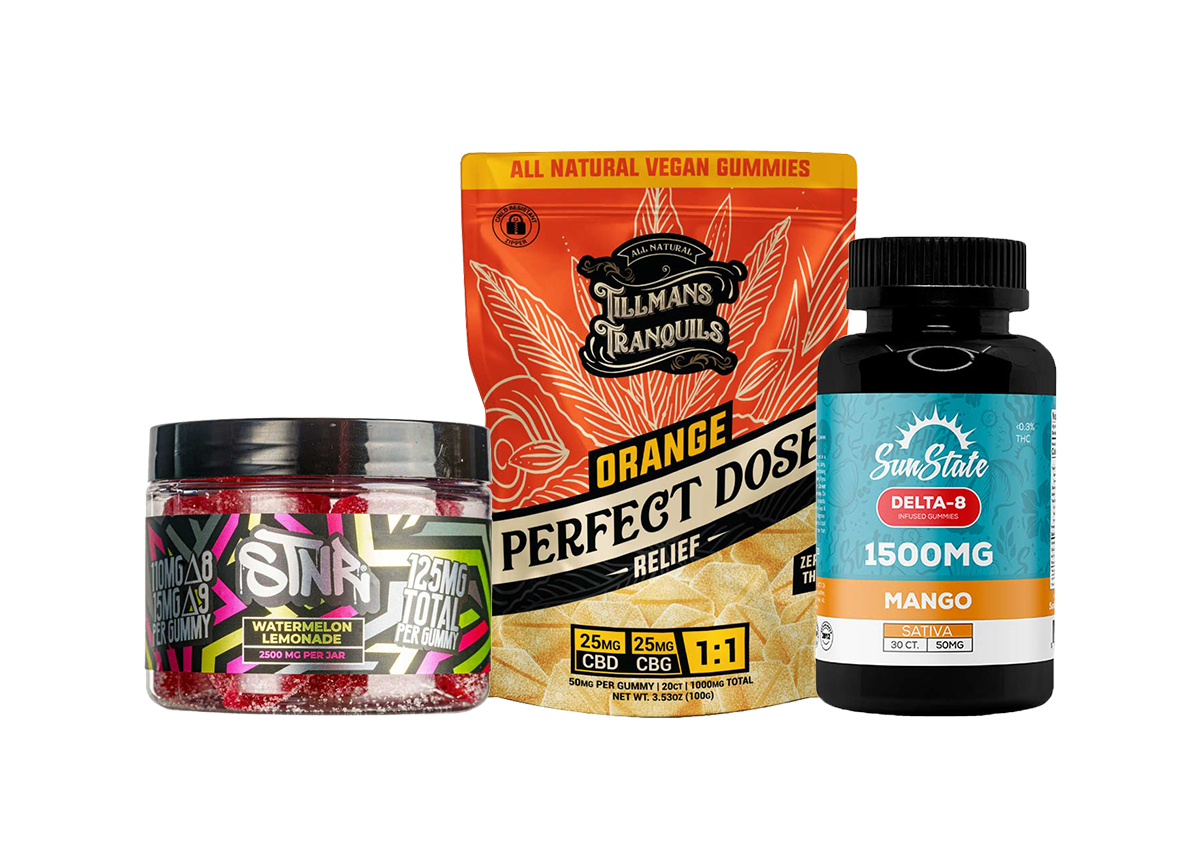
One important thing to know is that not all THCA gummies are 100% free from intoxicating effects. Many products labeled as "THCA gummies" are blended with other cannabinoids like Delta-8, Delta-9, or even THC-P. These compounds can produce a high, especially when taken in moderate to large amounts.
Because THCA is currently a trendy ingredient, some brands primarily use it for marketing purposes. A gummy might say "THCA" on the front label, but when you check the lab results or ingredients, you'll see that it's mixed with psychoactive compounds. In some cases, these blends are intentionally created for added effects, but in other cases, they may be misleading if you’re expecting a non-psychoactive experience.
To make sure you're getting what you want, always read the full product label and review third-party lab tests (Certificates of Analysis). Look for the total amount of Delta-9 THC and other cannabinoids. If a gummy contains Delta-9, Delta-8, or THC-P, it is likely to produce some level of intoxication.
This is especially important if you're using THCA for daytime relief, work focus, or want to avoid any high. Transparency from the brand and detailed lab testing are key to making the right choice.
Buyer's Guide: What to Look for in THCA or THC Products
When shopping for either cannabinoid, ensure you're purchasing from a reputable source. Here are a few things to look for:
- Lab testing (COAs): These confirm that the product contains what it claims to be and is free from contaminants.
- THC content: For legal THCA, the Delta-9 THC level must be under 0.3% by dry weight.
- Extraction method: CO2 and solventless extractions are usually safer and cleaner.
- Reputable reviews: Check what others are saying about how the product worked for them.
Don’t be afraid to reach out to the brand and ask questions before making a purchase.
Product Spotlight
THCA Hash Hole Pre-Roll
Our THCA hash hole pre-roll combines high-THCA flower with a rosin core for a smooth, flavorful smoke. Ideal for experienced users seeking potency and flavor.

Delta-9 Indica Gummies
These Delta-9 gummies blend 10mg THC with CBD and CBN for deep relaxation and sleep support. Great for nighttime use or post-workout recovery.

THC-Free CBD Gummies
If you want a completely non-psychoactive option, our CBD gummies offer gentle wellness benefits without any THC or THCA.

FAQ
Can THCA make you high?
Not in its raw form. You would need to heat it for it to convert into THC.
Is THCA better than THC for pain?
It depends on the type of pain. THCA may help with inflammation, while THC is more effective for nerve or chronic pain.
Will THCA show up on a drug test?
Possibly. Some tests may detect THC if THCA converts in the body or the product contains trace THC.
Can I take THCA every day?
Most people can, especially in raw formats like gummies or oils. As with any supplement, monitor your reaction to it.
How long does THCA stay in your system?
This can vary depending on frequency of use, metabolism, and dosage, but trace cannabinoids may remain detectable for several days to weeks.
Is THCA safe for beginners?
Yes, THCA is generally considered beginner-friendly due to its non-psychoactive nature, making it a good entry point into cannabis wellness.
What’s the difference between THCA flower and THC flower?
THCA flower is raw cannabis that becomes psychoactive when heated, while THC flower has already undergone decarboxylation or is intended for smoking.