Key Takeaways
• Delta 9 provides more potent effects and is commonly used for pain and sleep support.
• Delta 8 offers milder relief with greater mental clarity.
• THCA does not cause intoxication unless it is heated.
• The best option depends on pain type, tolerance, and daily routine.
Why Do Delta 8, Delta 9, and THCA Get Confused So Often?
Delta-8, Delta-9, and THCA are often treated as interchangeable. This confusion is common, especially for people who are new to hemp-derived products or who are searching for relief from pain, stress, or sleep issues. While these compounds come from the same plant source, they interact with the body differently and produce distinct experiences.
One reason for the confusion is the use of marketing language. Many brands group these compounds under the same umbrella without explaining how they differ. Another reason is that people often try one product, have a strong reaction, and assume all similar products will feel the same, which can lead to frustration or discomfort.
Understanding how Delta 8, Delta 9, and THCA work allows people to make choices based on their needs rather than trial and error. Education helps people feel more confident and less overwhelmed when navigating these options.
What Is Delta 9 and How Does It Affect the Body?
Delta 9 is the most well-known form of THC. It interacts directly with receptors in the brain and nervous system that influence pain perception, mood, appetite, memory, and sleep. Because of this intense interaction, Delta 9 often produces noticeable mental and physical effects.
Many people use Delta 9 to help manage chronic pain, especially pain that interferes with daily life or sleep. Others use it to support evening relaxation or to quiet racing thoughts. Delta-9 is also known for increasing appetite and promoting a sense of mental ease.
At the same time, Delta 9 can feel intense, especially for beginners or at higher doses. Some people experience mental fog, drowsiness, altered perception, or heightened sensory awareness. These effects are not necessarily harmful, but they do require awareness and moderation.
How THC Interacts with the brain and nervous system: According to the National Institute on Drug Abuse, Delta 9 binds strongly to CB1 receptors in the brain, which explains both its pain-relieving potential and its intoxicating effects. As a result, dose size, timing, and product format significantly affect the experience of Delta-9.
For a deeper educational breakdown, see How Delta-9 affects pain, sleep, and daily function.

How Is Delta 8 Different From Delta 9?
Delta 8 is chemically similar to Delta 9, but most people experience it as gentler. While it still interacts with the same receptor system, it does so in a way that feels less intense for many users.
People often describe Delta 8 as calming and supportive without the heavy mental effects sometimes associated with Delta 9. It may help reduce tension, mild pain, or stress while allowing users to stay more present and clear-headed. Because of this, Delta 8 can be used during the day or in situations where focus and functionality matter.
Delta 8 is popular among people who are sensitive to stronger products or who want relief without feeling overwhelmed. While it may not be as potent as Delta-9 for severe pain, it often provides a more balanced experience.
You can explore milder Delta-8 options for daytime relief to understand how this feels in practice.

What Is THCA and Why Does It Feel So Different?
THCA is the raw form of THC. In its natural state, it does not cause intoxication. THCA converts to Delta-9 only when heated through processes such as vaping, smoking, or cooking. This conversion process is called decarboxylation.
When THCA is not heated, it does not bind to brain receptors in the same way Delta 9 does. As a result, many people report that THCA produces a clear-headed, non-intoxicating effect. It is often used to support inflammation, joint stiffness, and overall physical balance, rather than for mental effects.
This distinction is important because the same compound can feel completely different depending on how you ingest it. A raw THCA product behaves very differently from a heated one.
For a simple breakdown, see THC vs THCA.
Does THCA Cause a High?
THCA on its own does not produce a high. Once heated, it converts to Delta-9, which can cause intoxicating effects, so the format and method of use determine the experience.
Understanding this difference helps people avoid surprises and choose products that align with their comfort level and lifestyle.

Which Option Is Better for Pain Relief?
Pain relief is not one-size-fits-all. The best option depends on the type of pain, the time of day, and personal tolerance.
Delta 9 is often recommended for intense or persistent pain, including nerve pain and pain that disrupts sleep. Its interaction with the nervous system can help reduce pain signals and promote deeper rest.
Delta-8 is commonly used for mild to moderate discomfort, especially during the day. It may be a better option for people who want relief without heavy mental effects.
THCA is often explored for inflammation-related discomfort, joint stiffness, and general physical support when the user prefers no intoxication.
There is no universal best choice. The correct option is the one that fits your body and daily routine.
How Do Delta 8, Delta 9, and THCA Affect Sleep?
Sleep and pain are closely connected. Poorly managed pain can lead to poor sleep. Delta 9 is frequently used at night because it can calm the nervous system, reduce physical discomfort, and quiet mental chatter. Many people report falling asleep faster and staying asleep longer.
Delta 8 Indica can help with winding down, but may feel less sedating than Delta 9 for sleep. It may be helpful for evening relaxation without causing deep sleep.
THCA, when unheated, typically does not directly promote sleep. Its benefits are more physical than sedating.
People who struggle with both pain and sleep often prefer nighttime formulations designed for rest. You can learn more about products people use to unwind and sleep more deeply.

Are Delta 8, Delta 9, and THCA Legal?
Legality depends on federal guidelines, state laws, and how the compound is derived.
In the United States, hemp-derived Delta 9 is federally legal within specific limits. Delta 8 and THCA legality varies by state and continues to evolve. Some states restrict or ban certain compounds, while others allow them.
It is important to check local regulations before purchasing.
Which Option Is Best for Beginners?
Beginners often start with Delta 8 because it offers a more manageable experience. Its milder effects make it easier to understand how the body responds without feeling overwhelmed.
Beginners can use Delta 9, but starting with a low dose is essential. THCA appeals to people who want physical support without intoxication.
Listening to your body and starting slowly helps build confidence.
How Should You Decide Which One to Use?
Choosing between Delta-8, Delta-9, and THCA depends on desired strength, time of day, comfort level, and wellness goals. Education enables people to make intentional choices rather than guess.
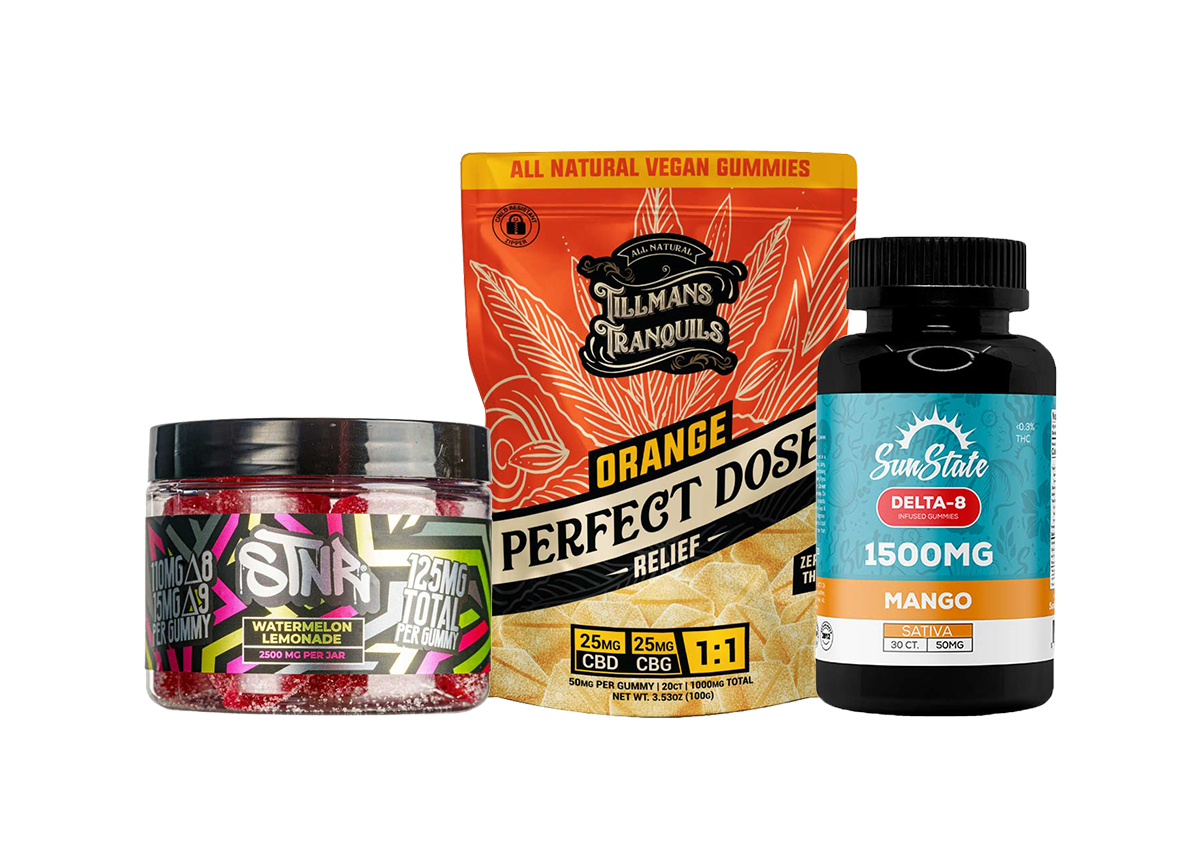
For a selection of Delta 8, Delta 9, and THCA gummies and vapes, check out My Pain Center for lab-tested products.
Frequently Asked Questions
Is Delta 8 safer than Delta 9?
Neither compound is automatically safer. Effects depend on dose, product quality, and individual sensitivity.
Can Delta 9 be used daily?
Some people use Delta 9 daily, but moderation and awareness of tolerance are essential.
Will THCA show up on a drug test?
Once heated, THCA converts to Delta-9 and may be detected.